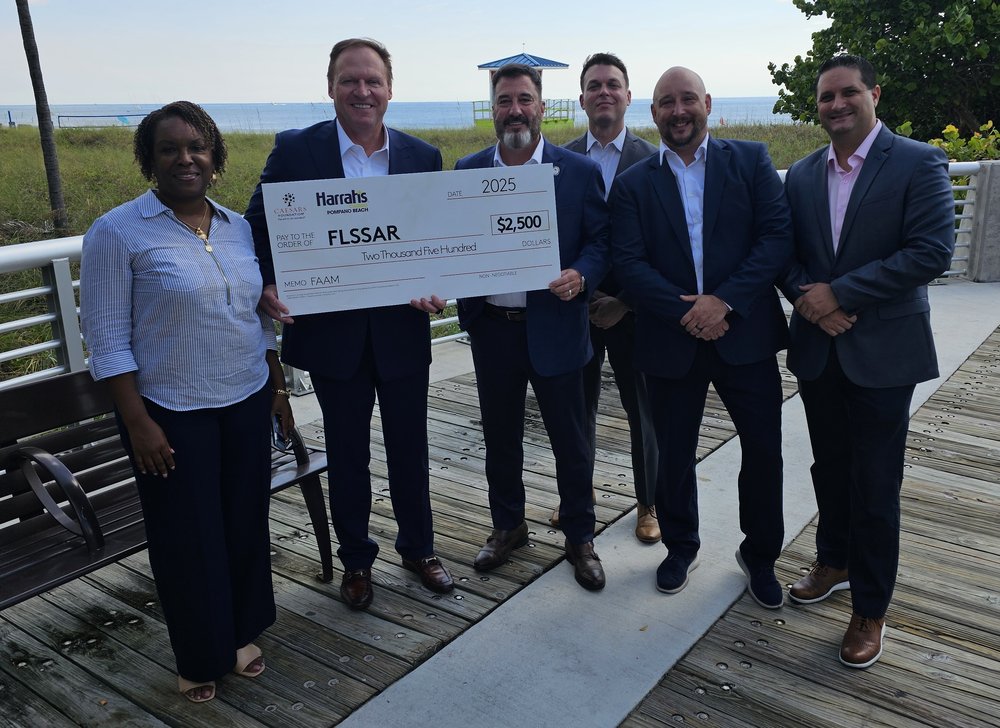
"Harrah's Casino in Pompano Beach is honored to be part of such a wonderful community with such rich history. As America prepares to celebrate our 250th anniversary, we are thrilled to partner with the Florida Society Sons of the American Revolution and provide a donation to help make their vision for this monument a reality."
– Barron Fuller, Regional President, Caesars Entertainment
America 250 Celebration & The First Amphibious Assault Memorial
As we come together to commemorate America's 250th anniversary, it's crucial to reflect on the defining moments that laid the foundation for our nation's military heritage. Among these, the first amphibious assault under the command of Commodore Esek Hopkins in 1776 stands out as a testament to American courage and ingenuity during the fight for independence.
On Christmas Day in 1775, a profound urgency gripped the Continental Navy. George Washington conveyed his alarm to Congressman Joseph Hewes about the critical shortage of gunpowder, labeling the situation as "inconceivable." Reports indicated that the British had amassed considerable stores of gunpowder on New Providence Island in the Bahamas, and Commodore Hopkins recognized the pressing need to act. Despite the tumult of the British burning Norfolk and raids on American coastal towns, the mission became increasingly clear: resource acquisition was essential for victory.
Setting sail on January 4, 1776, aboard his flagship, the "Alfred", Hopkins was met with a bustling crowd in Philadelphia, rallying behind their forces. Among those onboard was First Lieutenant John Paul Jones, destined to become a legendary figure in American naval history. As the "Alfred" and its fellow ships—"Columbus", "Andrew Doria", and "Cabot"—departed, the vibrant sight of the American Fleet's colors—13 stripes representing the Thirteen Colonies along with the spirited banner "Don't tread on me"—instilled hope and determination in the hearts of those who bore the flag of independence.
Armed with two letters from Congress outlining his orders—defend the coast and boldly confront British naval power if conditions allowed—Hopkins faced a significant challenge. Weather delays forced him to contemplate his situation and approach. He commanded a fleet of converted merchant ships, manned by largely inexperienced sailors, pitted against the might of the British Navy. The odds seemed insurmountable.
In a display of strategic insight, Hopkins leveraged a clause in his directive that permitted alternative actions in the face of unforeseen challenges. He made the audacious decision to redirect his fleet over 1,000 miles south to New Providence Island, where vital gunpowder awaited.
On March 3, 1776, history was forged as Captain Samuel Nicholas led a daring landing force of 270 men—220 Marines and 50 sailors—ashore in a groundbreaking amphibious assault, marking a first in Navy and Marine Corps history. The troops landed near Fort Montagu, in an operation that would forever alter the course of American military strategy.
The following day, as the assault on Fort Nassau unfolded, a remarkable victory was secured without resistance. The British flag was lowered, and in its place rose the "Grand Union Flag of the United Colonies," a powerful symbol of defiance against British control. Governor Monfort Browne was captured, further solidifying American dominance in the region.
The triumph of this mission was monumental. The Marines commandeered 88 cannons, 15 mortars, 24 barrels of gunpowder, and countless rounds of ammunition—critical supplies that would bolster the Continental Army, Navy, and Marines. The victory was so sweeping that the sheer volume of captured materiel overwhelmed the fleet's capacity, prompting Hopkins to impress a local sloop, the "Endeavor", with a promise of fair compensation for its owner.
This operation not only etched its name in the annals of military history but also set the stage for the evolution of amphibious warfare as a cornerstone of American military strategy. As we celebrate these extraordinary acts of bravery during America's 250 Celebration, let us honor the resolve and valor of those who fought for our nation's freedom. Their remarkable legacy continues to inspire us, a reminder of the indomitable spirit that forged our great American nation.
To celebrate the 250th anniversary of these events, and as part of the America 250 celebrations, the Florida Society of the Sons of the American Revolution and the City of Pompano Beach, Florida, will dedicate a 20-foot obelisk at the Fisher Family Pier on March 14, 2026. This will be the only monument commemorating this historic event located within the continental United States and will be the southernmost monument dedicated to the American Revolution.
FLSSAR Response
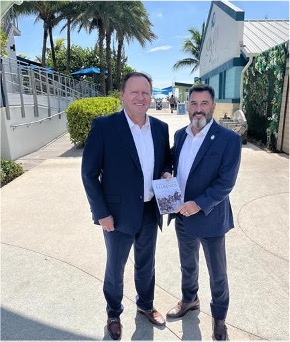
"The Florida Society of the Sons of the American Revolution would like to express our heartfelt gratitude to Harrah's-Caesars for their invaluable support of the First Amphibious Assault Memorial. Your generosity will help us honor our Revolutionary War patriot ancestors and inspire future generations by educating them about our nation's founding principles. We look forward to building a lasting partnership with you to create an even greater impact in the future."
– Steven DePaul, Vice President & Sergeant at Arms, Ft. Lauderdale Chapter
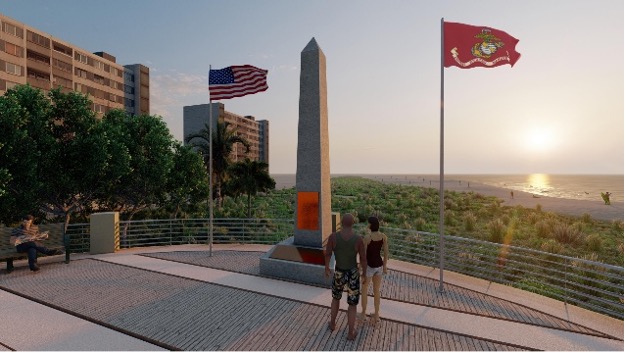
The memorial will stand as a testament to American courage and the birth of amphibious warfare tactics that continue to serve our military today.

Visit 1776landing.org to support this unique initiative and learn more about the events